Trending


A named storm is not just a windy day with a label on it. When forecasters put a name to a system — Arwen, Eunice, Ciarán — it means they expect real disruption: tiles off roofs, trees across roads, power cuts that can run for days. Most of the damage is avoidable if you spend an hour or two beforehand. This checklist works from the garden inwards, then covers the supplies you'll want if the lights go out.
Storms are named when forecasters expect them to cause enough disruption that a shared name will help people act. That is all the name means: a nudge to take it seriously. The Met Office, Met Éireann and KNMI name from the same list, so a storm may already have made headlines in Ireland before it reaches you.
Check the forecast the day before and again on the morning. Yellow means be aware; amber means likely disruption to travel and power; red means danger to life and you should not travel. Pay attention to the timing, because many storms cross overnight, when you cannot see what is happening outside. Note the wind direction too. The side of the house that faces it takes the brunt, and anything loose there should be dealt with first.
Wind does not need to be extreme to move something that is not tied down. A trampoline will clear a fence with ease, and a full wheelie bin becomes a battering ram. Walk the garden and ask of each item: could this fly?
Then check the structures that stay put: shed doors and greenhouse panes, fence panels that are already loose, and gates that could swing open. A few straps or a length of rope can save you a repair bill. If you park on the street, move the car away from trees and away from any wall or chimney that looks tired.
A storm brings rain as well as wind, and water is what finds its way inside. Clear leaves from gutters and downpipes while the weather is calm — a blocked gutter sends water down the wall and into the eaves. Check the gullies and drains outside your door and in any driveway, and clear the debris sitting on the grates. Do this before the rain starts, never during it.
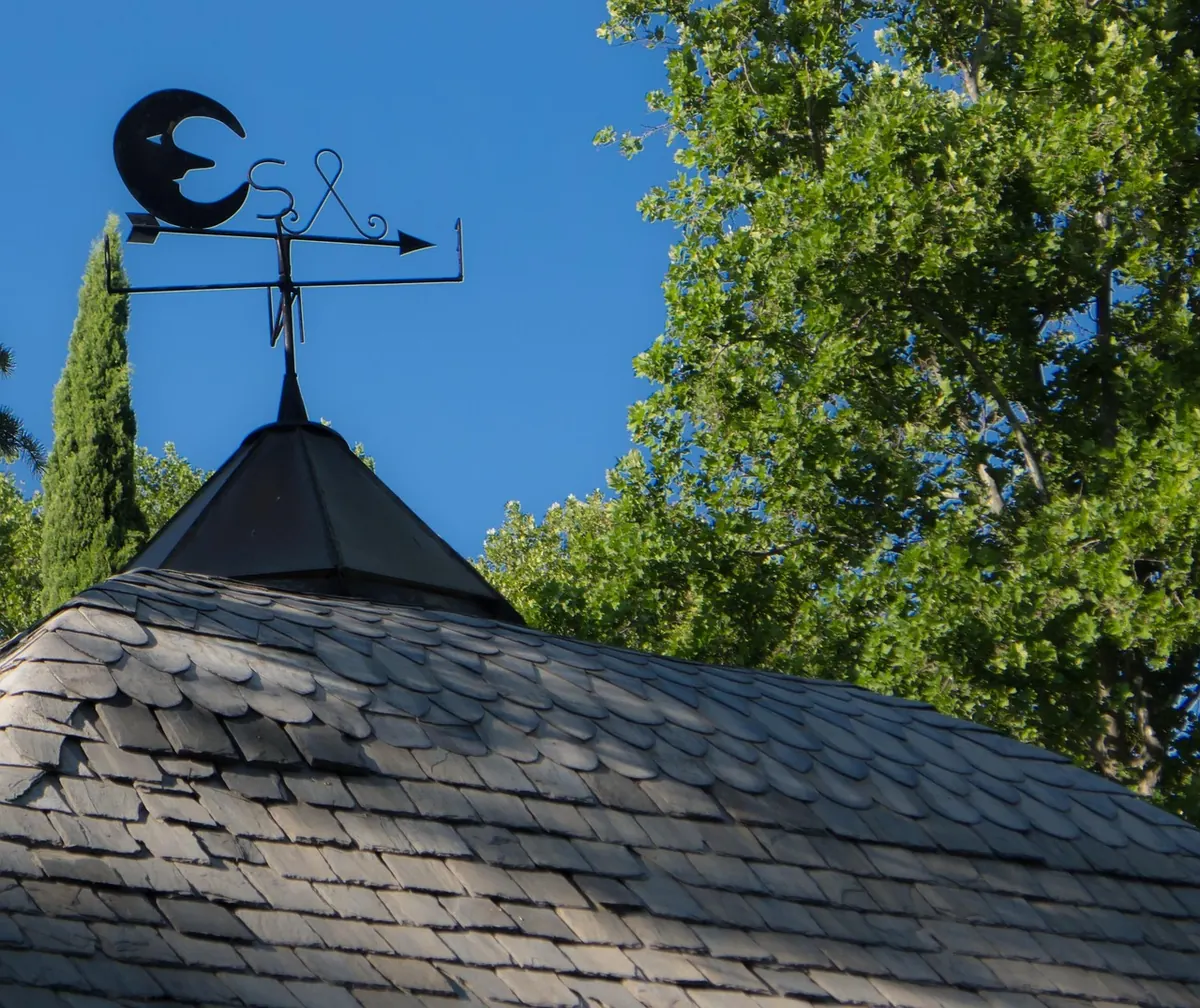
You do not need to get on a ladder in a rising wind. Stand back and look up: slipped tiles, loose flashing around a chimney, sagging aerial brackets, a satellite dish held by one screw. Book a roofer now if something is clearly wrong, and take a photo of what you can see. Inside, look at the loft for daylight or old water stains, and move anything stored under a suspect part of the roof into a dry corner.
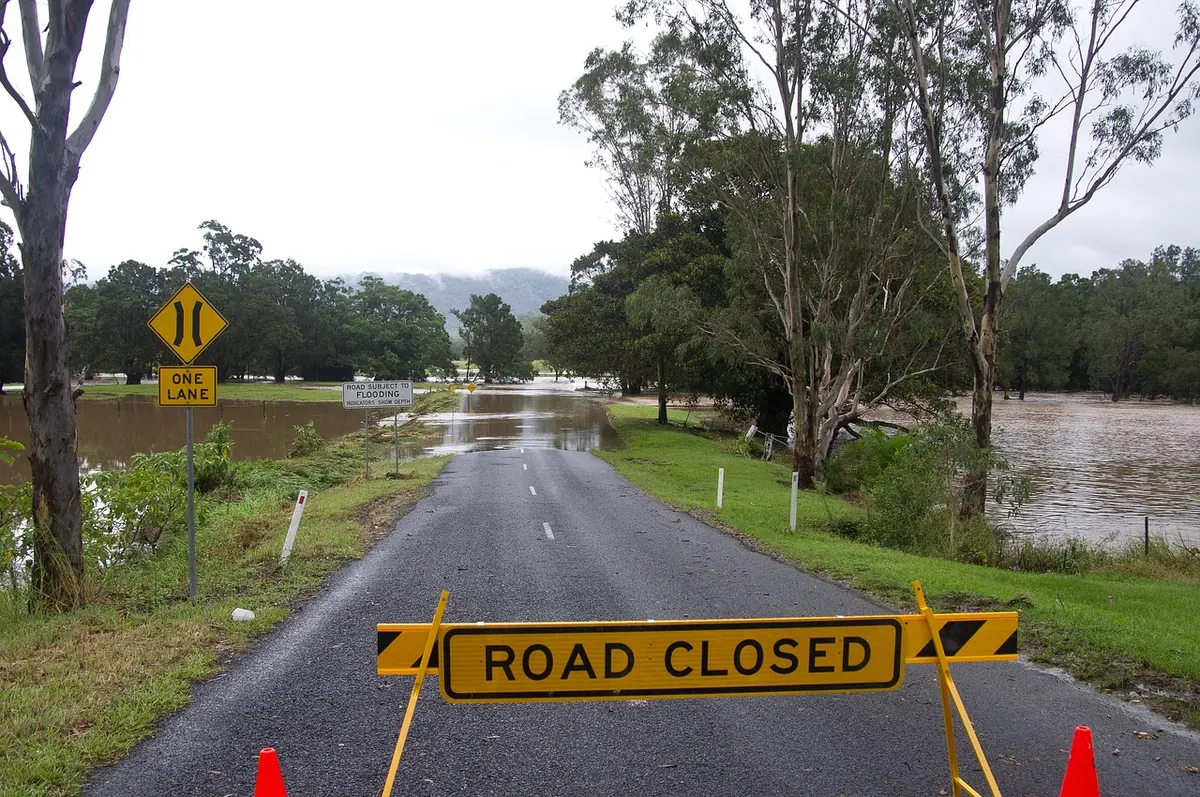
If you live near a river, the coast or a known flood spot, check the flood warnings for your area from the Environment Agency, Natural Resources Wales or SEPA, and have sandbags or flood barriers ready before you need them.
Close and latch every window, including small top lights, loft windows and anything in a spare room you rarely open. Lock external doors and put the bolts on. Draw the curtains in rooms where you will be sitting; it will not stop glass breaking, but it keeps fragments off the floor you have to walk on.
Ignore the old advice about taping windows. It does not strengthen glass and it makes a bigger mess. Move valuables, laptops and anything electrical away from windows and up off the floor, and take photos of the rooms as they normally look for insurance purposes.
Assume the electricity will go off, even if it probably won't. Charge phones, tablets, laptops and any power banks the day before. Dig out torches and head torches and check the batteries — candles are a fire risk you do not need in the dark.
In Great Britain you can call 105 to report a power cut or get information; keep that number and your supplier's emergency line written down, since your phone may be your only light.
Gather this in one place — a box in the hall, or a cupboard everyone knows about.
Do not head out during a lull. Storms often arrive in bands, and a calm half hour can be followed by wind from the opposite direction. Wait until the warning has passed, then check on neighbours and look for damage before you start clearing up.
Treat any downed cable as live and report it — call 105, or 999 if someone is in danger. Photograph damage before you move anything, and ring your insurer as soon as you reasonably can, keeping receipts for emergency repairs. If water has got into sockets, lights or appliances, do not switch them on; get a qualified electrician to look first.
Photo: TheOtherKev / Pixabay